London is one of the world's great coffee cities. Here is where to drink.
A neighbourhood-by-neighbourhood guide to London's specialty coffee scene — the roasters, the cafes, and the drinks that define the city's coffee culture.
London's specialty coffee scene is among the most mature and diverse in the world. From Shoreditch roasteries to South London neighbourhood cafes, the city offers a depth of coffee experience that rivals Melbourne, Tokyo, and Oslo. This guide maps the scene by neighbourhood, highlighting what makes each area's coffee culture distinctive.
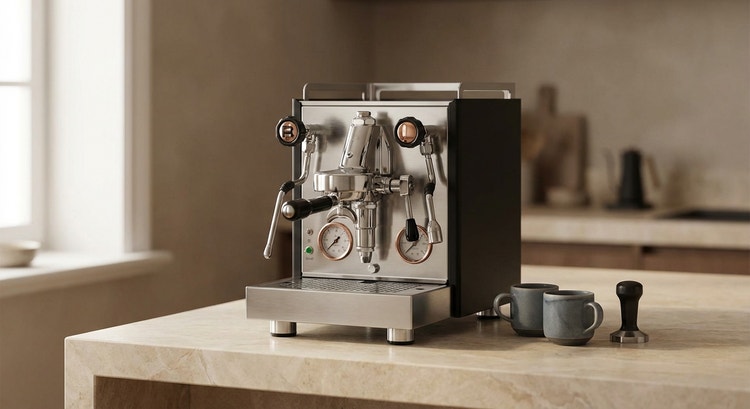
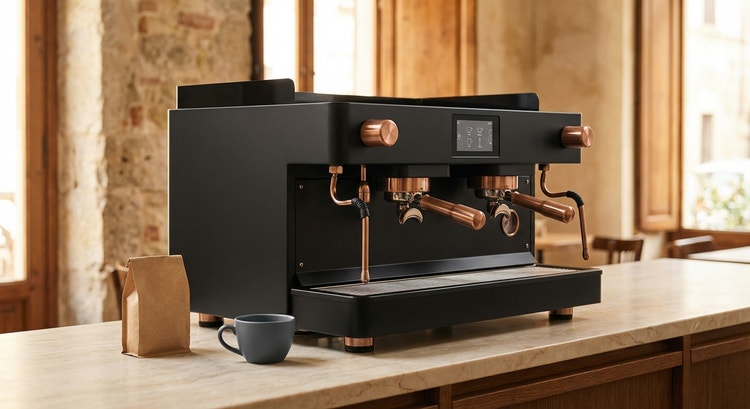
London's relationship with coffee goes back further than most people realise. The city's first coffeehouse opened in 1652 in St Michael's Alley, Cornhill — decades before the first London tea house. Coffee was the original British hot beverage of commerce and conversation. The modern specialty scene is, in a sense, a return to form.The contemporary story begins in East London. Shoreditch and the surrounding neighbourhoods of Hackney, Bethnal Green and Dalston became the epicentre of British specialty coffee in the late 2000s. Australian and New Zealand expatriates — many of them baristas — opened cafes that served flat whites and single-origin filter to a neighbourhood that was young, international, and open to new ideas about what coffee could taste like. The early shops imported beans from Nordic and Australian roasters, but within a few years the area had spawned its own roasting operations, many of which have become internationally recognised.What distinguishes East London's coffee scene now is its maturity. The pioneering cafes have evolved from novelty to institution, and a second and third generation of shops has filled in around them. You can walk from Shoreditch High Street to Broadway Market in Hackney — a distance of roughly two kilometres — and pass eight or nine specialty cafes, each with a distinct identity. Some focus on espresso; others are primarily filter. Some roast their own; others curate a rotating selection from guest roasters. The quality floor is remarkably high. A bad cup of specialty coffee in East London is a genuine rarity.South London has developed a different character. Neighbourhoods like Peckham, Brixton, Camberwell, and Bermondsey have a coffee scene that is less self-consciously hip than the east and more integrated into the fabric of daily life. The best cafes here feel like neighbourhood institutions rather than destination shops. They serve the same parents every school morning, the same remote workers every weekday afternoon, and the same Saturday crowd browsing the market stalls outside. Roasters in South London tend to favour medium roasts and blends that work well in milk — a reflection of a customer base that drinks flat whites and lattes more than black filter. This is not a criticism; it is a style, and it produces some of the best milk coffee in the city.Central London — Soho, Fitzrovia, Covent Garden — has a coffee scene shaped by its geography: high rents, tourist traffic, and a workforce that needs caffeine quickly. The specialty shops that survive here are necessarily excellent, because the rent only makes sense if every seat is occupied and every drink is good enough to justify a price premium over the chain next door. What these cafes do exceptionally well is speed without compromise — the ability to produce a perfect flat white in ninety seconds during a lunchtime rush, using workflow discipline that would impress a Michelin kitchen.North London's coffee culture is concentrated in Islington, Stoke Newington, and Crouch End — leafy, residential neighbourhoods where the cafe functions as a social hub for parents, freelancers, and weekend browsers. The pace is slower, the spaces are larger, and the menus tend to include food that goes beyond the token pastry. Several North London cafes have developed serious brunch programmes alongside their coffee, and the espresso quality in these kitchen-focused shops is often surprisingly high — the investment in food has not come at the expense of the cup.West London is the scene's quietest quadrant, but pockets of excellence exist. Notting Hill, Shepherd's Bush, and Chiswick each have one or two cafes that would rank among the best in any other city — they simply have less company. The west is also home to several of London's roaster-cafes: operations that roast on-site and serve directly, offering the freshest possible coffee in a city where most beans have travelled at least a few days from roaster to cup.What ties all of London's coffee neighbourhoods together is a shared commitment to craft without gatekeeping. London's specialty scene is conspicuously welcoming. The baristas explain without condescending. The menus are clear. The drinks are consistent. You can walk into any well-regarded London coffee shop, order a flat white, and receive something genuinely excellent without needing to demonstrate any prior knowledge or use any specialised vocabulary.Arco fits into this culture as a bridge between the cafe and the kitchen. The machines we build produce the same quality of espresso that London's best cafes serve, in a format that fits a London flat's kitchen. The Doppio's dual boilers handle the morning flat white — London's default drink — with the same consistency as a commercial machine. The Studio Pro's pressure profiling lets home baristas explore the kind of light-roast espresso that London's competition-stage baristas have made famous internationally.London taught the UK to take coffee seriously. Now London's coffee drinkers are taking their kitchens seriously too.