Every new bag of coffee behaves differently. The roast level, origin, processing method, density, and age all affect how the beans extract. A recipe that produced beautiful shots with last week's beans may produce sour or bitter shots with this week's. Dialing in is the systematic process of finding the right recipe for a new coffee, and doing it efficiently saves you time, beans, and frustration.
Why Every New Bag Requires Re-Dialing
Coffee is an agricultural product with enormous variability. A washed Ethiopian Yirgacheffe has a completely different cellular structure, density, moisture content, and solubility from a natural-processed Brazilian or a dark-roasted Italian blend. Even two bags of the same coffee from the same roaster can behave differently if they were roasted a week apart or stored under different conditions. The roast level is the single biggest factor. Light roasts are denser and less soluble — they resist extraction and typically need a finer grind, higher temperature, or longer ratio to taste balanced. Dark roasts are more porous and highly soluble — they extract easily and can become harsh and bitter if you use the same fine grind and high temperature that worked for a light roast. Bean age also plays a role. Freshly roasted beans (under 7 days from roast) contain high levels of CO2 that create turbulence in the puck, interfere with even water flow, and can produce gassy, sour shots. As beans degas over the next two weeks, they become more predictable and easier to extract evenly. By three to four weeks post-roast, beans have lost most of their CO2 and may start to taste flat and stale. Each of these variables shifts the optimal grind setting, dose, yield, and temperature — which is why a fixed recipe across all coffees does not work.
Step-by-Step Dialing Process
Start with a baseline recipe. For most coffees, 18 grams in, 36 grams out (a 1:2 ratio), targeting a 25-to-30-second shot time is a reliable starting point. Set your grind to whatever was working with your previous coffee and pull a shot. Taste it and note the shot time. If the shot runs fast (under 22 seconds) and tastes sour and watery, grind two to three steps finer and pull another. If it runs slow (over 35 seconds) and tastes bitter and dry, grind two to three steps coarser. Continue in this direction until the shot time lands in the 25-to-30-second window. Now taste critically. If the shot is in the time window but still tastes sour, you have two options: grind one more step finer (which will increase extraction), or extend the yield to a 1:2.2 or 1:2.5 ratio (which also increases extraction but produces a larger, lighter-bodied drink). If the shot is in the time window but tastes bitter, grind one step coarser or shorten the yield to a 1:1.8 ratio. Once you find a grind setting and ratio where the shot tastes sweet, balanced, and clean, you are dialed in. Lock those settings and enjoy your coffee for the day. Expect to make small adjustments over the life of the bag as the beans continue to degas and change.
Taking Notes That Actually Help
The difference between a barista who improves steadily and one who stays stuck is note-taking. You do not need an elaborate system — a small notebook or a notes app with a simple table works perfectly. Record these fields for each shot: date, coffee name, roast date (if known), grind setting (the number on your grinder), dose in grams, yield in grams, shot time in seconds, and a brief taste note. The taste note does not need to be poetic — a single word or phrase is enough. Words like 'sour,' 'balanced,' 'bitter,' 'sweet,' 'thin,' or 'harsh' capture the essential information you need to make a decision for the next shot. Over the life of a bag, your notes will show patterns. You will see how the grind setting shifted finer over two weeks as the beans degassed. You will see that a 1:2.5 ratio worked better than 1:2 for this particular light roast. When you buy the same coffee again, you can start from your final recipe rather than from scratch — shaving days off the dialing-in process. When you buy a new coffee of a similar roast level and origin, your notes from a similar bean give you an informed starting point. This accumulated knowledge compounds over months and years, making you faster and more confident with every new bag.
Adjustments Over the Life of a Bag
Dialing in is not a single event — it is an ongoing conversation with your coffee. Beans change from the day you open the bag to the day you finish it. In the first few days, CO2 levels are highest, and shots may taste gassy or uneven regardless of your recipe. Let the beans rest at least 7 days from roast before investing serious dialing effort. From day 7 to day 14, beans are typically at their most expressive and forgiving — this is the sweet spot of the bag. Your initial dial-in recipe will likely hold steady during this window with minor adjustments. From day 14 to day 21, beans have lost most of their CO2 and become more soluble. You will probably need to grind one or two steps finer to maintain the same flow rate and extraction level. Flavors may shift slightly — brightness fades and body increases as volatile aromatics dissipate. Beyond three weeks, beans are approaching staleness. Sweetness diminishes, flavors flatten, and crema thins. You can compensate by grinding finer, raising temperature, or extending the ratio, but at some point the coffee simply will not taste as good. The practical advice: buy in quantities you can finish within two to three weeks. If you buy a full kilogram, consider splitting it into smaller portions and storing the excess in an airtight container with a one-way valve to slow staling.
Key Takeaways
- Every new bag of coffee requires re-dialing because roast level, origin, density, and age all affect extraction.
- Start with a baseline recipe (18g in, 36g out, 25-30 seconds) and adjust grind first, then ratio.
- Take simple notes — grind setting, dose, yield, time, and a one-word taste descriptor — for every shot.
- Expect to grind progressively finer over the life of a bag as beans degas and become more soluble.
- Aim to finish a bag within two to three weeks of opening for the best flavor window.
Related Products
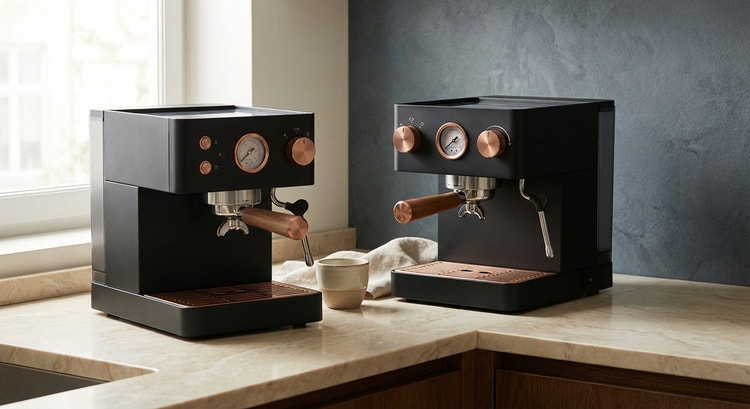
Arco Primo