Every time hot water passes through ground coffee, it dissolves flavors, sugars, acids, and oils — that process is called extraction. Understanding extraction is the single biggest leap you can make toward better espresso, because it gives you a framework for diagnosing every shot you pull. Once you know what extraction means, every other variable — grind size, dose, temperature — clicks into place.
What Actually Happens Inside the Puck
When pressurized water hits a bed of finely ground coffee, it begins dissolving soluble compounds. Coffee beans contain roughly 30 percent soluble material by weight — sugars, organic acids, lipids, caffeine, and hundreds of aromatic compounds. The remaining 70 percent is insoluble cellulose fiber that forms the structure of the puck. During a typical 25-to-30-second espresso shot, water dissolves somewhere between 18 and 22 percent of those available solubles. That narrow window is where most people find espresso tastes balanced and pleasant. The water works from the outside of each coffee particle inward, which is why grind size matters so much: smaller particles expose more surface area, letting water reach solubles faster. Think of it like dissolving sugar cubes versus granulated sugar in a glass of water — the finer the particles, the faster the dissolve. The first compounds to dissolve are fruit acids and lighter aromatics. Then come the sugars and caramel notes. Last are the heavier, more bitter compounds. This sequence is the extraction curve, and it explains why timing your shot matters.
Under-Extraction vs. Over-Extraction
When you stop the shot too early or the water passes through too quickly, you get under-extraction. The water has only had time to pull out the first wave of solubles — primarily acids — so the shot tastes sour, thin, and sharp. It may also feel watery on the tongue because the sugars and body-building compounds never made it into the cup. On the other end of the spectrum, over-extraction happens when too much is dissolved from the coffee. The bitter, astringent, woody compounds that come last in the extraction curve start to dominate. An over-extracted shot tastes harsh, drying, and unpleasantly bitter — the kind of bitterness that lingers on the back of your tongue and makes you wince. The sweet spot sits between these two extremes. A well-extracted espresso has enough acidity to feel lively, enough sweetness to feel round and full, and just enough bitterness to provide structure without harshness. When baristas say a shot is 'balanced,' they mean extraction has landed in that range. Your goal with every adjustment you make — grind finer, grind coarser, change dose, change yield — is to move extraction toward that sweet spot.
How to Taste Extraction in Your Cup
The most practical way to understand extraction is through deliberate tasting. Pull a shot and let it cool for about 30 seconds — scorching hot espresso is harder to evaluate. Take a small sip and let it sit on your tongue. If the dominant sensation is a sharp, citric sourness with a thin, almost tea-like body, you are likely under-extracted. If the dominant sensation is a dry, lingering bitterness that coats the roof of your mouth, you are likely over-extracted. A well-extracted shot will have a pleasant acidity — like ripe fruit rather than a lemon — sweetness that reminds you of caramel or chocolate, and a clean finish that fades naturally. Start paying attention to these descriptors every time you drink espresso, whether at home or in a cafe. Over a few weeks, your palate will calibrate and you will be able to tell almost instantly whether a shot needs a grind adjustment. This feedback loop — pull, taste, adjust — is the core skill of making good espresso, and it all begins with understanding what extraction is and what it tastes like in the cup.
Extraction as a Framework for Everything Else
Once you internalize extraction, every other espresso concept becomes a subset of it. Grind size controls extraction by changing surface area. Water temperature controls extraction by affecting how aggressively the water dissolves solubles. Brew time controls extraction by determining how long water and coffee are in contact. Dose and yield control extraction by changing the ratio of water to coffee. Pressure controls extraction by influencing how evenly and how fast water flows through the puck. Rather than memorizing a recipe and hoping for the best, understanding extraction lets you reason about what went wrong and what to change. If a shot tastes sour, you know you need more extraction — grind finer, increase temperature, or extend brew time. If a shot tastes bitter and dry, you need less extraction — grind coarser, lower temperature, or shorten brew time. This is the mindset shift that separates someone who follows recipes blindly from someone who truly understands their espresso machine. Every guide in this series builds on this foundational idea, so take the time to internalize it before moving on.
Key Takeaways
- Extraction is the process of dissolving soluble compounds from ground coffee into water — about 18 to 22 percent of available solubles is the target for balanced espresso.
- Under-extraction produces sour, thin, sharp shots because only the first acids have dissolved.
- Over-extraction produces bitter, harsh, astringent shots because too many heavy compounds have dissolved.
- Tasting your shots deliberately — and noting sourness, sweetness, and bitterness — is the fastest way to learn extraction.
- Every other espresso variable (grind, temperature, time, dose) is just a lever that moves extraction up or down.
Related Products
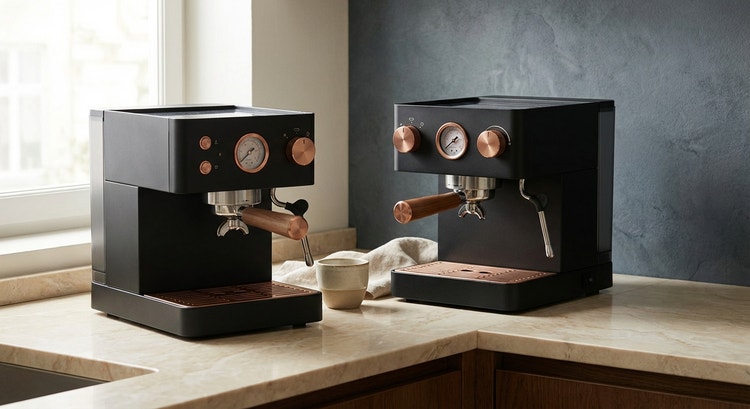
Arco Primo