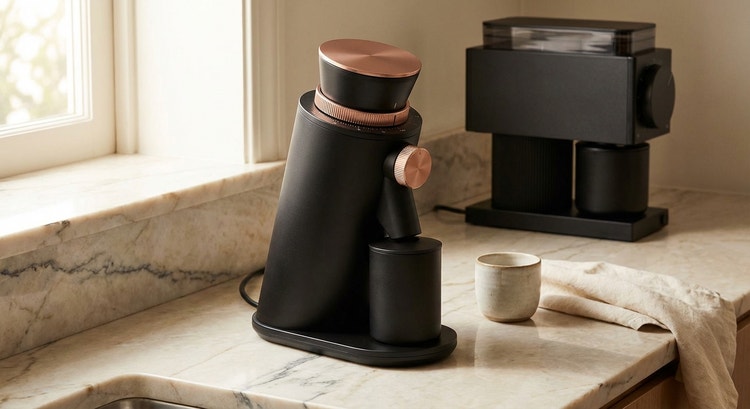
Six origins. Four friends. One afternoon that changes how everyone tastes coffee.
You do not need to be a professional to host a cupping. You just need good beans and curious people.
The idea started as a casual suggestion over dinner — 'We should do a coffee tasting sometime.' Two weeks later, you have six single-origin beans, a set of cupping bowls, a freshly printed tasting wheel, and four friends arriving at three o'clock. You are more nervous than you expected, which tells you this matters more than you are willing to say out loud.
Cupping, the formal protocol for evaluating coffee, sounds intimidating until you actually do it. The professional version involves calibrated water temperatures, precise dose-to-water ratios, synchronised timers, and a vocabulary that can feel exclusionary to outsiders. But the home version — the one you are hosting — strips away the formality and keeps the essential experience: tasting multiple coffees side by side, in silence at first, then in animated conversation.You set up the dining table an hour before your guests arrive. Six stations, each with a small bowl, a spoon, and a card identifying the origin: Ethiopia Yirgacheffe, Kenya Nyeri, Colombia Huila, Guatemala Antigua, Brazil Cerrado, Sumatra Mandheling. The beans are measured — twelve grams per bowl — and ground coarsely on the Preciso, each origin ground separately and placed into its respective bowl. The Arco Filtro heats water to ninety-six degrees, the cupping standard.The setup looks simple. That is intentional. You want your friends to focus on what is in the bowl, not on the equipment or the process. The Filtro's precise temperature control ensures every bowl is brewed identically — the only variable is the coffee itself. This is the scientific principle of cupping: control everything except the thing you are testing.Your guests arrive with varying levels of coffee knowledge. Sarah drinks specialty coffee daily and has opinions about processing methods. Marcus drinks instant at his desk and is here because he was curious and you promised wine afterwards. Priya owns a moka pot and considers herself intermediate. David buys good beans but has never thought analytically about flavour.You pour the water over the grounds in each bowl simultaneously, set a timer for four minutes, and tell everyone to lean in and smell. The fragrance is immediate and varied — floral from the Ethiopian, earthy from the Sumatran, bright and fruity from the Kenyan. Marcus says, 'They all smell completely different,' with the surprise of someone who genuinely did not expect this. You tell him that is exactly the point.After four minutes, you break the crust. This is the moment in professional cupping where the evaluator pushes the layer of floating grounds aside with a spoon and inhales the released aroma. You demonstrate, and everyone follows. The room goes quiet as four people push spoons through coffee grounds and breathe in. The silence is concentrated and slightly reverent.Then the tasting begins. You show them how to slurp — drawing the coffee across the palate with a sharp intake of air that aerates the liquid and distributes it over the tongue. The sound is undignified. Everyone laughs, then does it anyway, because the difference in flavour perception between a normal sip and a cupping slurp is dramatic.The conversation that follows is the reason you hosted this. Sarah identifies the blueberry notes in the Ethiopian before you mention them. Marcus, tasting the Colombian, says it reminds him of toffee, and he is exactly right. Priya discovers she prefers the clean acidity of the Kenyan to the heavy body of the Sumatran, which surprises her because she thought she liked strong coffee. David goes quiet for a minute, moving between bowls, and then says, 'I had no idea coffee could taste this different,' and his voice carries the wonder of genuine discovery.You hand out the tasting wheels — circular charts that map flavour descriptors from broad categories to specific notes. Everyone starts tentatively, sticking to basic terms like 'fruity' and 'chocolatey.' By the third round of tasting, the language has expanded. 'Stone fruit,' says Priya. 'Tobacco,' says David. 'Brown sugar with a citrus finish,' says Marcus, and then looks surprised at himself.The Filtro brews a full pot of the group's favourite — the Ethiopian wins by consensus — and you move from the table to the sofa, carrying mugs instead of bowls. The conversation continues, no longer about specific tasting notes but about the broader questions that good coffee opens up. Where does it come from? How is it grown? What does processing mean? Why does altitude matter?You do not have all the answers. You are not a professional. But you know enough to guide the conversation, and the tasting has given everyone a shared vocabulary and a shared experience that makes the discussion richer than it would be in the abstract.Marcus asks where to buy the Colombian. Sarah asks if you can do this monthly. Priya wants to know if she can borrow the tasting wheel. David is already on his phone, looking up the Kenyan roaster.The afternoon was never about showing off or proving expertise. It was about sharing something you love with people you care about, and watching them discover that coffee is deeper, wider, and more varied than they imagined. The Filtro and the Preciso made it possible. The beans made it beautiful. The friends made it matter.You will do this again. Next month, different origins, maybe a theme — all African, or all natural process, or all from the same altitude. The format works. The table is big enough. And the discovery, it turns out, is renewable. Every new coffee is a new conversation.
Your Home Cupping setup
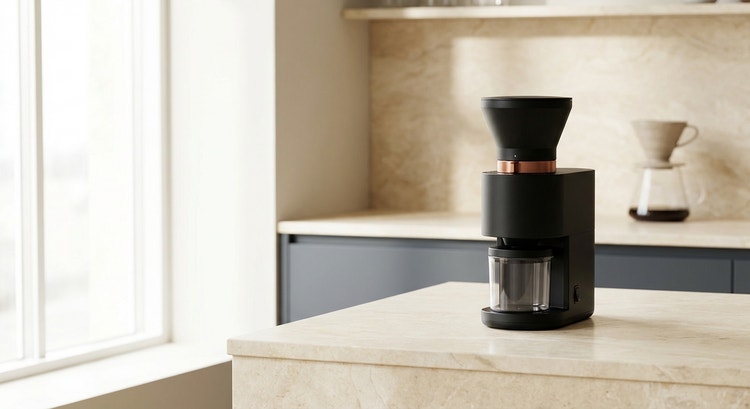
Arco Filtro