You stood at a bar in Naples. Now you cannot go back.
The holiday ended. The standard for coffee did not.
It was a Tuesday afternoon in the Quartieri Spagnoli. You walked into a bar with no name on the door, stood at the zinc counter with the locals, and a man in a white shirt placed a small cup in front of you without asking what you wanted. One sip, and something permanent changed. You have been trying to recreate that cup ever since you got home.
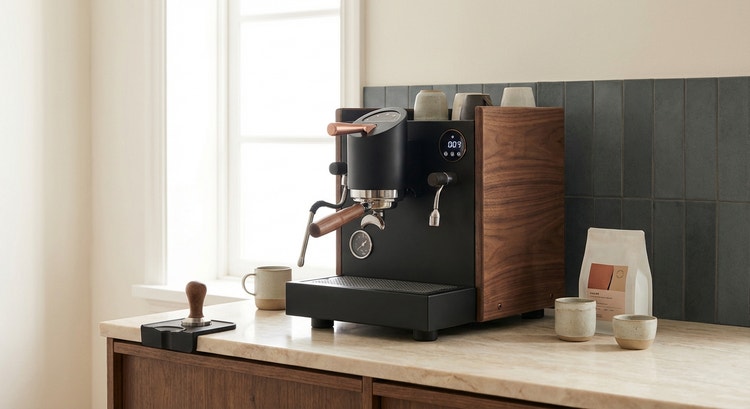
The espresso in Naples is different. Everyone who has been there says this, and everyone who has not assumes it is romantic exaggeration. It is not. The coffee in Naples is genuinely, measurably, unmistakably different from the coffee you were drinking at home, and the difference is not explained by atmosphere or holiday mood or the warmth of the Italian sun.It begins with the roast. Neapolitan espresso uses a dark, almost oily roast that would make a third-wave barista in London wince. The beans are blended — Arabica and Robusta in proportions that vary by roaster but always include enough Robusta to contribute body, crema, and a particular earthy depth. The grind is fine. The dose is low by modern standards, often as little as seven grams for a single shot. The extraction is short and pressurised, producing a small, dense, intensely flavoured cup with a crema the colour of hazelnuts.You drank three of these on your first day. At the bar near your hotel, standing, as is correct. At a cafe on Via Toledo after lunch. At a pasticceria in Spaccanapoli, paired with a sfogliatella that made you briefly reconsider your entire life. By the end of the trip, you had visited fourteen bars and consumed an inadvisable quantity of espresso, and you had understood something about coffee that no amount of reading or YouTube watching had conveyed: it is not just a drink. In Naples, it is a civic institution, a social contract, a point of pride that connects every person at every bar counter in the city.The flight home was difficult. Not the flight itself but what it represented: a return to the kitchen counter, the stale capsules, the machine you had been tolerating for years. You sat on the plane and scrolled through photos of espresso cups on your phone and felt a specific, melancholy longing that you recognised as the beginning of a project.The Arco Primo arrived the following week. You chose it because it was designed by people who understand Italian espresso — not as a curiosity or a market segment, but as a tradition worth preserving and a standard worth meeting. The group head geometry, the boiler temperature, the pressure curve — all of it is calibrated for the kind of short, intense extraction that produces an espresso recognisable to anyone who has stood at a bar in Naples.You ordered beans from a Neapolitan roaster. The same blend you had been drinking there, shipped in vacuum-sealed foil that preserved the aroma until the moment you cut the bag open. The smell filled the kitchen, and for a second you were back in the Quartieri Spagnoli, standing at the zinc counter, watching the barista's practised hands.The first shot at home was not Naples. You knew it would not be. The water was different, the cup was different, the bar with its chipped marble and its football calendar was missing. But the coffee itself — dark, dense, with a chocolate bitterness tempered by a caramel sweetness — was close. Close enough to feel like a connection rather than a disappointment.You added the Arco Studio to the setup a month later, drawn by its programmable pre-infusion which let you experiment with the long, slow pressure build that some Neapolitan lever machines use. The Studio can emulate a traditional Neapolitan extraction more faithfully than any pump machine you tested, and the results have continued to improve as you dial in your technique.The project, if it is a project, has no end point. You will never perfectly recreate that Tuesday afternoon in the Quartieri Spagnoli, and you have stopped trying. What you are doing instead is something more interesting: you are building a daily practice that is informed by Naples, inspired by Naples, but rooted in your own kitchen and your own evolving taste.You drink your morning espresso standing at the counter, not sitting. This is a habit imported from Italy and kept because it changes the experience. Standing, the espresso is a punctuation — brief, upright, deliberate. You drink it in three sips, as you saw the locals do, and you do not chase it with water, which would dilute the finish.Sometimes, on Saturday mornings, you close your eyes during the first sip and you are back there. The noise of the street, the clatter of cups, the man in the white shirt already pulling the next shot. It lasts a second, maybe two. Then you open your eyes and you are in your own kitchen, in your own city, with your own machine. And the coffee is good. Really good. Not Naples good, but yours good, and that has become its own kind of excellent.
Your Post-Italy Awakening setup
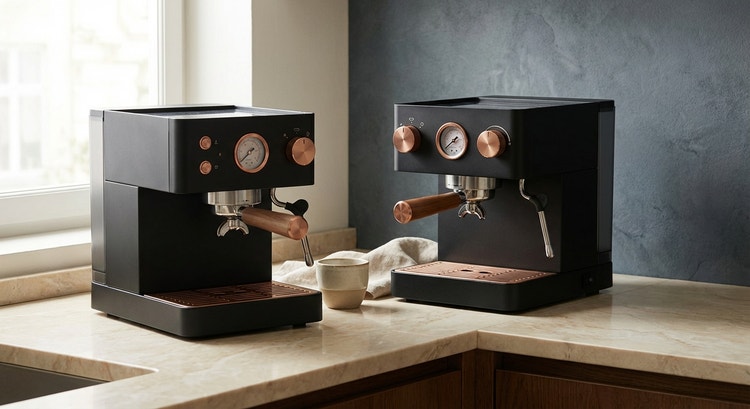
Arco Primo