London. Manchester. Edinburgh. The UK's specialty coffee revolution is here.
From flat whites to single-origin espressos, British coffee culture has transformed in a decade — and the home setup has kept pace.
Ten years ago, specialty coffee in the UK was a niche interest pursued by a small community of obsessives in east London warehouses. Today, every major British city has a thriving scene of independent roasters, specialty cafes, and a generation of drinkers who know the difference between a washed and a natural process. The third wave arrived, and it changed how an entire country thinks about coffee.
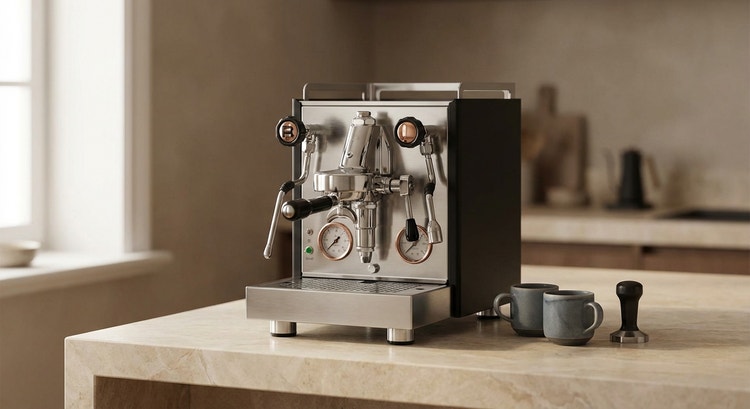
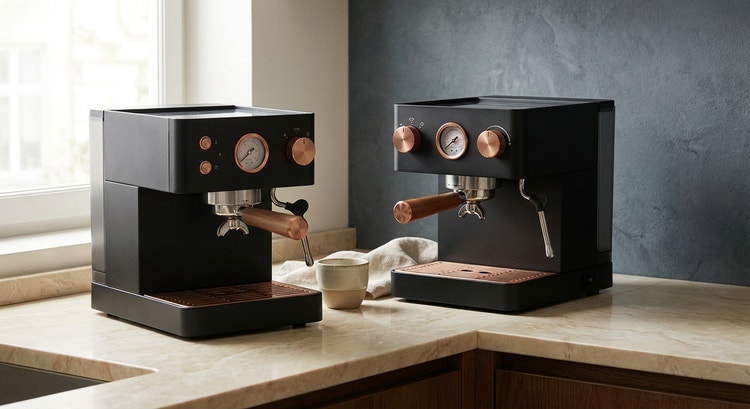
The transformation happened faster than anyone predicted. In 2010, the average British coffee drinker's reference point was the high-street chain — a large latte, flavoured if desired, served in a paper cup with a cardboard sleeve. Espresso existed but was treated with suspicion, an Italian affectation that most people sweetened with sugar and chased with a biscuit. The idea that a twenty-gram dose of Ethiopian beans could produce a shot tasting of blueberries and jasmine would have been met with polite confusion.Then the cafes arrived. Square Mile in London, roasting beans with a precision and a lightness that defied British expectation. Has Bean in Stafford, pioneering direct trade relationships with farmers in Colombia and Kenya. Ozone in Shoreditch, proving that Australian cafe culture could translate to British streets. Workshop Coffee, serving espresso and filter side by side in a city that barely knew the difference.The customers followed, tentatively at first and then in a rush. The flat white — an Antipodean import that landed somewhere between a cappuccino and a latte — became the gateway drink, familiar enough to be approachable but precise enough to reveal the difference that good beans and good technique could make. From flat whites, people progressed to cortados, then to straight espresso, then to filter, then to the point where they were asking baristas about altitude and varietal and processing method.Manchester's Northern Quarter became a second epicentre. Takk, serving Nordic-influenced light roasts in a minimalist space that felt transplanted from Oslo. Heart and Graft, roasting in Salford and supplying a growing network of cafes across the north. Ancoats Coffee Co., named for the neighbourhood and committed to traceability and transparency. The north proved that specialty coffee was not a London phenomenon — it was a British one.Edinburgh, Bristol, Leeds, Birmingham — every city developed its own scene, its own roasters, its own regulars. The common thread was quality and intention: beans sourced from specific farms, roasted to highlight origin characteristics, brewed with equipment and technique that treated espresso as a craft rather than a commodity.The home setup evolved in parallel. As British drinkers developed their palates in cafes, they brought those expectations home. The entry-level machine that produced acceptable espresso was no longer acceptable. The pre-ground supermarket bag that had been good enough for years was no longer good enough. The kitchen became an extension of the cafe, and the equipment needed to match.The Arco Doppio and the Arco Primo found a natural audience in the UK's specialty coffee community. The Doppio's dual boiler and PID temperature control deliver the consistency that light-roasted single origins demand. The Primo offers an accessible entry point for the growing number of Britons who have tasted great coffee at their local specialty shop and want to replicate it at home. Both machines produce espresso that would hold its own against a commercial setup, and both reflect the third-wave principle that equipment should serve the bean, not mask it.The UK's relationship with milk drinks gives the Doppio a particular advantage. The flat white remains the country's most popular specialty drink, and pulling it properly requires simultaneous espresso extraction and milk steaming — a dual-boiler capability that single-boiler machines cannot match. British drinkers want their flat whites at home, and they want them right: a double shot with velvety microfoam poured into a ceramic cup, no larger than six ounces, with the milk integrated into the espresso rather than sitting on top. The Doppio delivers this reliably, and the learning curve, while real, is manageable for anyone willing to practice.The filter revival has been equally significant in the UK. Pour-over bars appeared in specialty cafes alongside espresso machines, and the idea that brewed coffee could be as complex and rewarding as espresso took root. The Arco Filtro serves this audience, producing a cup of filter coffee calibrated to the standards that UK specialty roasters expect — clean, bright, and expressive of origin.The community around UK specialty coffee is vibrant and accessible. The London Coffee Festival draws tens of thousands annually. The UK Barista Championship has become a showcase for innovation and technique. Online communities on Reddit, Instagram, and specialist forums connect home brewers across the country, sharing recipes, reviews, and the quiet excitement of a new bag from a favourite roaster.What makes the UK scene distinctive is its eclecticism. Italian tradition meets Scandinavian precision meets Australian cafe culture meets British pragmatism. The result is a coffee culture that borrows freely, adapts intelligently, and produces, in its best moments, some of the most interesting espresso and filter coffee in the world.The home barista is the natural beneficiary of this ecosystem. The roasters are excellent and numerous. The information is abundant and freely shared. The equipment — from the Arco Primo as an entry point to the Studio Pro as an ambition — is capable of producing coffee that meets the standard set by the best cafes in London or Manchester.The third wave is not a trend. It is a permanent shift in how the UK drinks coffee, and it shows no sign of receding. If anything, it is deepening — more roasters, more cafes, more drinkers who understand the difference and care about it. The flat white was the beginning. What comes next is up to you and your kitchen.