Sophie Chen, Contributing Writer · 13 min read
Melbourne did not invent the flat white — that claim is contested between Australia and New Zealand with a fervor that outsiders find entertaining and locals find deadly serious. But Melbourne perfected it, built a coffee culture around it, and exported that culture to cities across the world. We walked the city for a week, following the flat white from its spiritual home in the inner-city laneways to the suburban roasteries and neighborhood shops where Melbourne's coffee identity is lived every morning.
What Makes a Melbourne Flat White
The flat white, as Melbourne serves it, is a specific thing. It is not a small latte. It is not a cappuccino without foam. It is a double shot of espresso — typically a ristretto pull, shorter and more concentrated than a standard shot — in a ceramic tulip cup, approximately one hundred and fifty to one hundred and eighty milliliters, topped with steamed milk that has been textured to a microfoam consistency: glossy, velvety, with no visible bubbles and no stiff cap of foam. The milk is poured free-hand to integrate fully with the espresso, and the best flat whites arrive with a thin layer of latte art on top — not for decoration, but as proof that the milk was steamed correctly. If the microfoam is right, latte art happens naturally. If the microfoam is wrong, no amount of pouring technique will save it. The ratio matters. A flat white is roughly one part espresso to three parts milk. The espresso should be strong enough to taste through the milk — not as a bitter edge, but as a persistent coffee flavor underneath the sweetness and texture of the dairy. The milk should be stretched just enough to create body without becoming airy. The temperature should be drinking-warm, not scalding — around sixty to sixty-five degrees Celsius, which is lower than most international chains serve but allows the lactose sweetness to come through and the espresso flavors to remain intact. Getting all of this right requires a good machine, a good grinder, fresh milk, and a barista who understands the physics of steam and the chemistry of milk proteins. Melbourne has an unusual density of all four.
The Inner-City Laneways: Where It Started
Melbourne's coffee culture is inseparable from its laneways — the narrow alleys that cut between the main streets of the central business district. In the 1990s, these laneways were mostly unused service corridors, accessed only by delivery trucks and kitchen staff. As rents in the CBD climbed, entrepreneurs began opening small bars and cafes in the laneway spaces, and the coffee scene that emerged from those cramped, improvised venues became the template for Melbourne's identity as a coffee city. Degraves Street is the most photographed, but the best coffee on the lane is at a shop so small it has seating for eight people and standing room for four. The espresso is roasted in-house on a ten-kilogram Probat and the flat white is pulled on a two-group Synesso that the owner considers an extension of his own hands. Down Centre Place, a covered alley that connects Flinders Lane to Collins Street, you can find three cafes within fifty meters that each serve a flat white good enough to justify a visit. The competition between them is invisible to tourists but intense among locals, and it pushes all three to an obsessive level of consistency. Hardware Lane, in the northern end of the CBD, is quieter and more residential in feel. The cafes here serve the morning commuter crowd — people who order the same thing every day, expect it in under two minutes, and can taste the difference when something is off. This is where the flat white is at its most utilitarian: fast, precise, and unremarkable only because excellence has become the baseline.
The Roasters: Where Melbourne's Flavor Comes From
Melbourne's coffee quality starts at the roaster, and the city has an extraordinary concentration of roasting operations for its size. Unlike many cities where a few dominant roasters supply the majority of cafes, Melbourne's market is fragmented — dozens of small and mid-sized roasters compete for accounts, and cafes frequently switch suppliers or blend from multiple sources. This competition keeps quality high and complacency low. Market Lane Coffee operates from a roastery in the inner north and supplies several of the city's most respected cafes. Their approach is classical Australian specialty — clean, balanced, with enough development to produce body and sweetness in milk-based drinks while retaining clarity when drunk black. Their seasonal espresso blend is recalibrated every time a component lot changes, which means the flavor profile shifts subtly throughout the year but never drops below a consistent standard. Seven Seeds, in Carlton, roasts in an industrial space that doubles as a cafe and training facility. Their espresso is slightly more adventurous — willing to push into fruitier, more acidic territory that not every palate will love but that rewards attention. The flat white made with their single-origin espresso is a polarizing experience: bright, complex, and nothing like what a traditional Italian espresso drinker would expect from a milk drink. St Ali in South Melbourne was among the earliest specialty roasters in the city and helped define what Australian specialty coffee would become. Their flagship cafe is as much a restaurant as a coffee shop, but the flat white at the bar remains a reference standard — textured milk over a house blend that balances Brazilian nuttiness with Ethiopian fruit in a way that tastes inevitable rather than designed. Padre Coffee, in Brunswick East, takes a more restrained approach. Their house blend is deliberately approachable — chocolate, caramel, clean finish — designed to be the flat white that everyone can agree on. It is not the most exciting coffee in Melbourne, but it may be the most reliable, and reliability is a virtue that Melbourne's daily coffee drinkers value above all else.
The Suburbs: Where Melbourne Really Drinks
The laneways get the press coverage, but Melbourne's coffee culture lives in the suburbs. In neighborhoods like Fitzroy, Collingwood, Brunswick, Northcote, and Footscray, coffee is embedded in the daily routine with a depth that the inner city, with its tourist traffic and office workers, cannot match. These are the neighborhoods where people have a local — not a favorite cafe, but their cafe, the one they walk to every morning, where the barista starts their order when they see them coming through the door. In Fitzroy, along Johnston Street and its side streets, you can find a cafe every hundred meters for a kilometer. The quality floor is remarkably high. Even the least ambitious shop uses specialty-grade beans, a commercial grinder, and a properly maintained machine. The best shops on the strip would hold their own against anything in London, Tokyo, or Reykjavik. In Brunswick, the density is similar but the vibe is different — more multicultural, more relaxed, less concerned with aesthetics and more concerned with the cup. Some of the best flat whites in the city come from cafes in Brunswick that have mismatched furniture, no Instagram presence, and baristas who have been perfecting their milk technique for a decade without ever entering a latte art competition. Footscray, in the western suburbs, is Melbourne's most culturally diverse neighborhood, and its coffee scene reflects that diversity. Vietnamese iced coffee shops sit next to Ethiopian cafes sit next to Australian-style specialty bars. The cross-pollination is real: we found a cafe in Footscray run by a Vietnamese-Australian who serves a flat white made with a blend that includes robusta, delivering a cup with the textural heft of ca phe sua da and the milk integration of a classic Australian flat white. It should not work. It works beautifully.
What Melbourne Can Teach the Rest of Us
After a week of drinking flat whites across Melbourne, a few things become clear. First, consistency matters more than innovation. The best cafes in Melbourne are not the ones pushing boundaries with experimental processing or extreme light roasts. They are the ones that serve an excellent flat white seven days a week, fifty-two weeks a year, regardless of who is behind the machine. This requires systems — calibrated grinders, temperature-stable machines, fresh milk delivered daily, baristas trained to a common standard — and Melbourne has invested in these systems more deeply than almost any other city. Second, the barista profession is taken seriously here in a way it is not in most countries. In Melbourne, being a barista is a career, not a gap-year job. The pay is better, the training is more rigorous, and the social status is higher. This means the person making your flat white has likely been doing it for years, understands the machine and the grinder at a mechanical level, and takes personal pride in every cup. Third, the customer base is educated. Melburnians know what a good flat white tastes like because they drink one every day. They can tell when the grind is off, when the milk is over-textured, or when the espresso is stale. This creates a feedback loop — demanding customers push cafes to maintain standards, and high standards create customers who demand more. It is a virtuous cycle that other cities can learn from, and it starts not with the roaster or the barista but with the person holding the cup.
Key Takeaways
- A Melbourne flat white is a specific drink: ristretto double shot, tulip cup, microfoam milk at sixty to sixty-five degrees, with a one-to-three espresso-to-milk ratio.
- The city's laneway cafes created the template, but Melbourne's coffee culture lives in the suburbs, where daily regulars hold shops to an exacting standard.
- A fragmented roasting market with dozens of competing roasters keeps quality high and innovation constant.
- Melbourne's advantage is systemic: serious barista careers, educated consumers, and a culture that values consistency over novelty.
Related Products
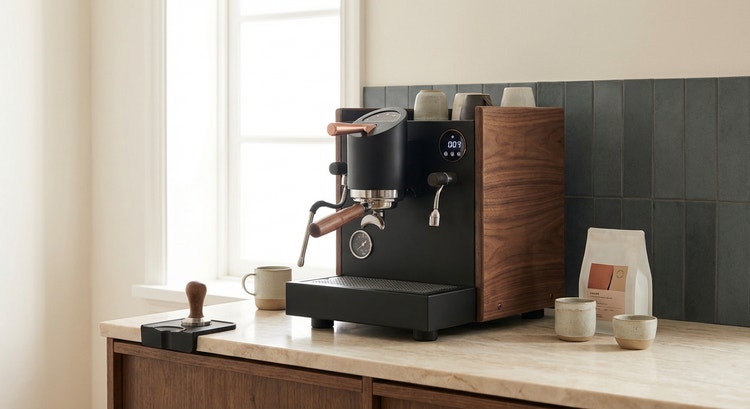
Arco Studio
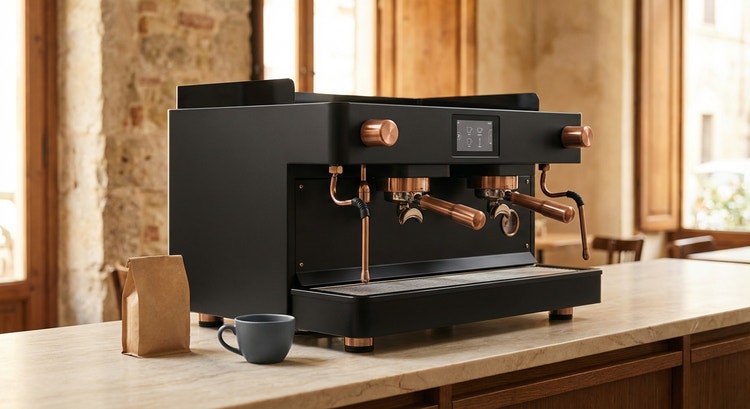
Arco Studio Pro
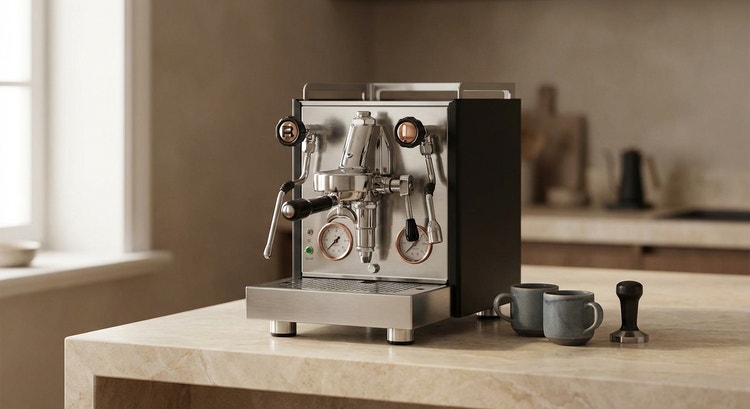
Arco Doppio