Sophie Chen, Product Engineer · 9 min read
Lisbon has one of Europe's oldest coffee-drinking traditions and one of its newest specialty scenes. The city that invented the bica — a short, intense espresso served in a heated ceramic cup — is now home to a generation of roasters and baristas who are rewriting what Portuguese coffee can be, without abandoning the rituals that make it distinctly Lisbon.
The Bica Tradition
To understand Lisbon's coffee renaissance, you have to understand what came before it. The bica is the foundation of Portuguese coffee culture. The word itself is debated — some say it derives from 'beber isto com acucar' (drink this with sugar), others that it simply comes from the spout (bica) of the espresso machine. Whatever its origin, the bica is a specific thing: a small, dark, intensely roasted espresso served in a pre-heated porcelain cup, often with a glass of water on the side and a packet of sugar that most people use. Walk into any traditional cafe in Lisbon — and there are hundreds — and order 'um cafe' and this is what you get. The beans are typically a blend of Brazilian arabica and robusta from Angola or East Timor, roasted dark to the point where origin character is replaced by body and bitterness. The extraction is fast, the crema thick and dark brown, the taste unapologetically strong. For generations, this is what coffee meant in Portugal. It was not evaluated by flavour notes or processing methods. It was evaluated by whether it was strong enough to start your morning and cheap enough to drink four or five times a day. A bica at a traditional Lisbon cafe still costs between seventy cents and one euro. The speed of service is part of the ritual — you stand at the bar, you drink, you leave. The entire transaction takes less than two minutes.
The New Wave Arrives
Lisbon's specialty coffee movement began around 2014, later than London, Berlin, or the Nordic capitals. The catalysts were familiar — Portuguese baristas who had worked abroad and returned with different ideas about what coffee could taste like, and a small number of international transplants who opened shops in Lisbon's rapidly gentrifying neighbourhoods. The pioneers included cafes in Principe Real and Santos that began serving lighter roasts from Nordic and British roasters, introducing Lisbon's coffee drinkers to the idea that espresso could taste of fruit and flowers rather than ash and dark chocolate. The reaction was mixed. Traditional coffee drinkers found the new wave pretentious and the coffee sour. Specialty enthusiasts found the traditional scene stagnant and the coffee burned. What makes Lisbon's coffee renaissance genuinely interesting is what happened next: rather than one side winning, the two traditions began to inform each other. A new generation of Portuguese roasters emerged who understood both worlds — the deep, dark comfort of the bica and the bright, complex possibilities of specialty roasting. They began producing coffees that bridge the gap: medium roasts with enough body to satisfy a traditional palate but enough clarity to reveal the character of a single-origin bean. You can taste this synthesis at roasters across the city now, and it produces something that does not exist anywhere else in Europe.
Where to Drink in Lisbon Now
The Lisbon coffee landscape in 2026 is a layered thing. The traditional cafes have not disappeared — they remain the backbone of daily life, serving bicas by the thousand to office workers, taxi drivers, and elderly regulars who have been drinking at the same bar for decades. The specialty shops have matured beyond the early missionary phase into confident, distinctive operations. In Principe Real, there are cafes that roast their own beans and serve them alongside pasteis de nata from the bakery next door — a combination that should be unremarkable but feels revolutionary in a city where specialty coffee and traditional Portuguese pastry rarely shared counter space. In the Alfama district, a former fado bar now operates as a coffee shop that serves a seasonal espresso menu — four single-origin options rotated monthly, pulled on a refurbished lever machine that predates most of the neighbourhood's residents. In Belem, close to the famous pastry shops, a roaster operates out of a former fish warehouse, roasting Portuguese-sourced green coffee from former colonies — Timor-Leste, Sao Tome, Cape Verde — and telling the complicated, postcolonial story of Portugal's relationship with coffee production through the beans themselves. The most exciting development, though, is the neighbourhood cafes in residential areas like Penha de Franca and Arroios that serve good specialty coffee at traditional bica prices. These are not destination cafes. They are local spots that have simply decided to use better beans and extract them more carefully, without raising the price or adding a single chalkboard menu. This is where the renaissance becomes real — not in the showcase shops, but in the everyday places where the bica meets the third wave and produces something new.
What Lisbon Teaches About Home Espresso
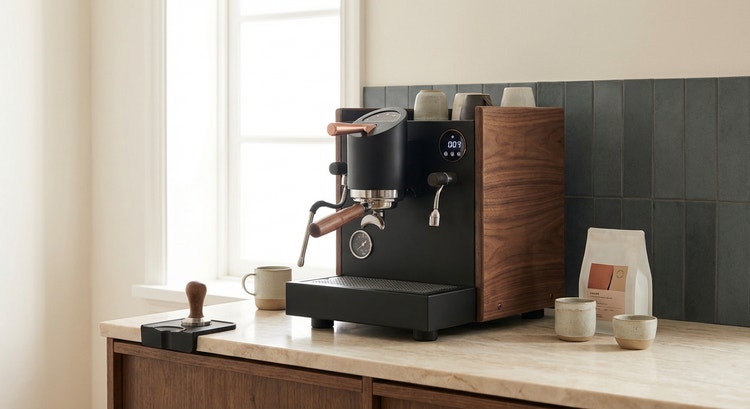
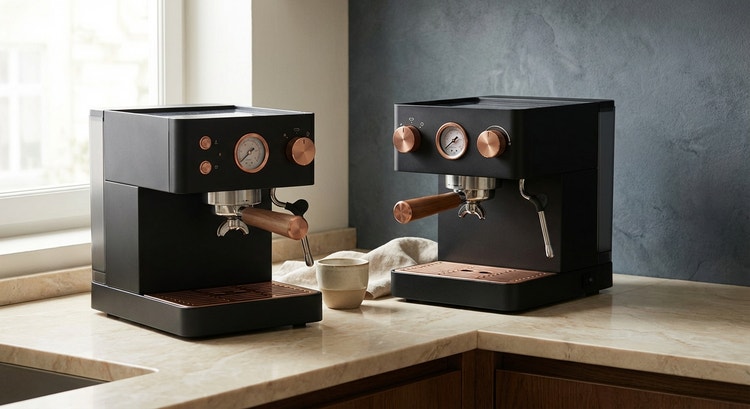
Lisbon's coffee culture offers a lesson for anyone building a home espresso practice: intensity and subtlety are not opposites. The traditional bica is a masterclass in extraction — short, fast, concentrated, with a body that coats your mouth. Specialty Lisbon espresso takes that same structural commitment to intensity and applies it to better raw material, producing shots that are simultaneously bold and complex. At home, this translates to a simple principle: do not be afraid of strong coffee, and do not assume that lighter roasts require a gentle hand. The Arco Studio, with its E61 group and brass boiler, produces the thermal stability that Lisbon-style espresso demands — a stable, high temperature that extracts body and sweetness from medium and medium-dark roasts without tipping into bitterness. The Primo, with its ninety-second heat-up and fifty-eight-millimetre portafilter, captures the bica's essential quality of speed and immediacy — good espresso, quickly, without ceremony. If you visit Lisbon and fall in love with the coffee — as most people do — the best souvenir is not a bag of beans that will be stale by the time you get home. It is the understanding that espresso should be fast, intense, and part of the rhythm of your day, not a weekend project. Build your home setup around that principle and you are closer to the Lisbon tradition than any tourist cafe can take you.
Key Takeaways
- Lisbon's bica tradition — dark, fast, cheap, strong — is the foundation of a coffee culture that predates the specialty movement by decades.
- The city's specialty scene emerged around 2014 and has matured into something unique: a synthesis of traditional intensity and modern clarity.
- Portuguese roasters are now bridging the gap between traditional dark roasts and specialty light roasts, producing medium-roast coffees with both body and complexity.
- The lesson for home espresso: intensity and subtlety coexist — build a setup that honours both, like the Arco Studio or Primo.