Marcus Webb, Barista Trainer · 8 min read
Dialing in a new bag of beans does not have to be a drawn-out, anxiety-inducing ritual that wastes half your coffee. With a structured approach and a willingness to taste honestly, you can land on a solid recipe in three to five shots — well under ten minutes. Here is the step-by-step method we teach in every Arco workshop.
Step 1: Establish Your Starting Point
Before you touch your grinder, set two constants that will not change during the entire dial-in process. First, your dose: weigh the amount of dry coffee going into the basket. For a standard double basket, 18 grams is a reliable starting point. Write it down and do not change it for the rest of this session. Second, your target yield: the weight of liquid espresso in the cup. A one-to-two ratio is a solid default — 18 grams in, 36 grams out. Place your cup on a scale, tare it, and pull every shot until the scale reads 36 grams, then stop the machine. By fixing dose and yield, you isolate grind size as the only variable. This is the key to dialing in quickly. When people change multiple variables between shots, they lose track of cause and effect and end up chasing their tails. One variable, one adjustment at a time. If your grinder has a marked espresso zone, set it to the middle of that range. If not, start with a setting that produces grounds about as fine as table salt. This is your baseline — it will almost certainly not be perfect, and that is exactly the point. You are creating a reference shot to taste and adjust from.
Step 2: Pull, Taste, and Diagnose
Pull your first shot at the baseline setting. Let it cool for about thirty seconds — hot espresso numbs your palate and hides useful information. Take a sip and focus on two things: is it sour or bitter? Sour means under-extracted. The water did not dissolve enough from the coffee because the grind was too coarse or the shot ran too fast. Bitter and dry means over-extracted — the grind was too fine and the water spent too long in contact with the coffee, pulling out harsh compounds. If the shot ran in under twenty seconds and tastes sharp, acidic, and thin, your grind is too coarse. Move one full increment finer on your grinder. If the shot took over thirty-five seconds and tastes ashy, harsh, and drying on the tongue, your grind is too fine. Move one full increment coarser. If the shot landed somewhere between twenty-two and thirty seconds and tastes reasonably balanced but slightly tilted in one direction, you are close. Make a half-increment adjustment. The critical discipline here is tasting, not timing. The clock is a guide, but your palate is the judge. A shot that runs in twenty-three seconds but tastes sweet and full is dialed in, even if a recipe card says twenty-seven.
Step 3: Close the Gap with Micro-Adjustments
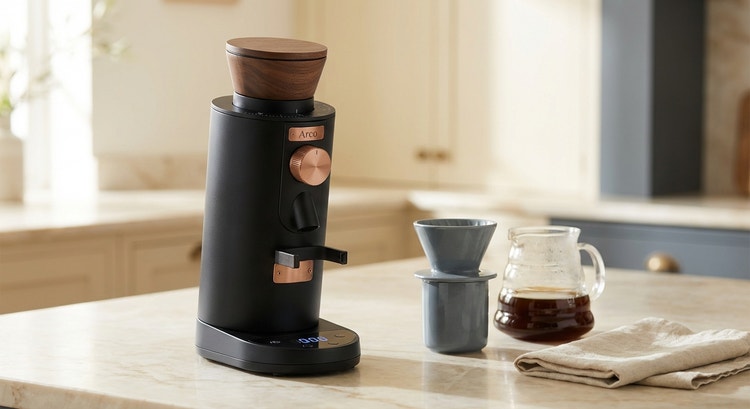
After your first adjustment, pull another shot. Taste it. You should notice a meaningful shift in flavor direction. If you went finer, the shot should taste less sour and more balanced. If you went coarser, the bitterness should have retreated. From here, your adjustments get smaller. Move in half or quarter increments. Each shot should taste closer to the sweet spot — that place where acidity feels like ripe fruit rather than lemon juice, sweetness comes through as caramel or chocolate, and the finish is clean without lingering bitterness. Most people land there within three to five total shots. On the Arco Macinino, the stepped adjustment dial clicks in increments that are well-sized for espresso, so one click at a time is the right resolution for this fine-tuning phase. On the stepless Arco Preciso, mark your starting position with the index line and move in small nudges — about the width of the line itself. Once you have a shot you genuinely enjoy drinking, note the grind setting, the dose, the yield, and the approximate shot time. This is your recipe for this bag of beans. It will serve you well for the life of the bag with perhaps one minor grind adjustment after a week as the beans degas slightly.
Step 4: Lock It In and Build the Habit
Now that you have a recipe, write it down somewhere you will see it tomorrow morning. A sticky note on your grinder, a notes app on your phone, or a small logbook beside the machine. The recipe is: dose in grams, grind setting, yield in grams, and shot time. Tomorrow, replicate it. You should get a near-identical shot. If the flavor drifts slightly over the coming days, make one micro-adjustment to the grind — finer if the shot is trending sour, coarser if it is trending bitter — and update your note. Beans change as they age and degas, so a gentle one-click finer adjustment around day seven to ten after roast is normal. When you open a new bag, repeat this process from step one. With practice, you will start to develop intuition. You will look at a bag — roast level, origin, processing method — and have a reasonable guess at where your grinder should land before you pull the first shot. Light-roasted washed Ethiopians need finer grinds and longer shots. Dark-roasted Brazilians are more forgiving and extract easily. This pattern recognition builds with every bag you dial in, and within a few months, the whole process feels less like troubleshooting and more like tuning an instrument you know by feel.
Key Takeaways
- Fix your dose and yield first, then adjust only the grind size — one variable at a time keeps you from chasing your tail.
- Taste every shot honestly: sour means grind finer, bitter means grind coarser.
- Three to five shots is enough to land on a solid recipe for most bags.
- Write down your recipe and expect one minor grind adjustment midway through the bag as beans degas.
Related Products
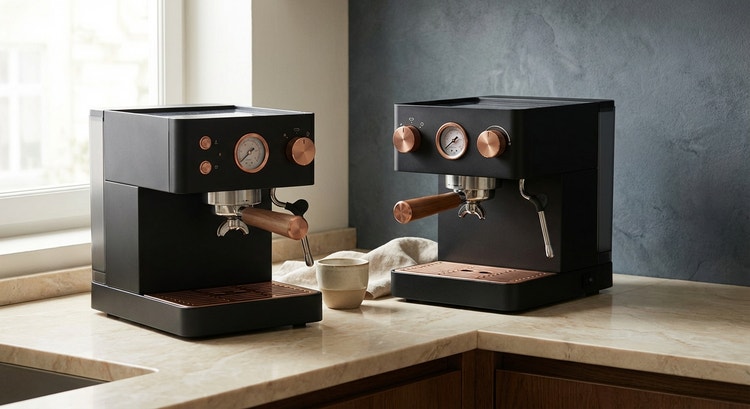
Arco Primo