Marcus Webb, Barista Trainer · 9 min read
We are all biased by what we see. A thick, tiger-striped crema convinces us a shot is good before it reaches our lips. A pale, thin extraction makes us wince before we taste. Blind tasting strips away those visual prejudices and forces you to evaluate espresso purely on flavor. It is the fastest way to train your palate and the most honest way to test your skills.
Why Vision Misleads Us
Human sensory perception is heavily influenced by visual input. Studies in food science have repeatedly demonstrated that the color of a beverage affects how people describe its flavor — red-tinted white wine gets described with red-wine descriptors, and dark-colored coffee is consistently rated as more bitter than lighter-colored coffee of identical composition. In espresso, crema is the primary visual cue. Thick, reddish-brown crema is associated with a well-extracted shot, while thin, pale crema suggests under-extraction. But crema appearance is influenced by bean freshness, roast level, and natural oil content as much as by extraction quality. A very fresh, dark-roasted coffee will produce magnificent crema even when poorly extracted, while a lighter roast at peak extraction may produce modest crema that looks underwhelming. By relying on visual cues, you are evaluating the bean and its freshness as much as your technique. Blind tasting removes this confound. When you cannot see the shot, you are forced to evaluate what actually matters: flavor, body, sweetness, acidity, bitterness, and aftertaste. It is humbling at first — many experienced home baristas discover that their visual confidence was masking flavor issues they had been ignoring — but it accelerates learning faster than any other single practice.
Setting Up a Blind Tasting at Home
You do not need elaborate equipment or a partner to blind-taste effectively. Here is a simple protocol that works for one person. Pull two or three shots at different grind settings — for instance, your current setting, one click finer, and one click coarser. Pour each shot into an identical opaque cup. Small ceramic espresso cups in a dark color work well because you cannot see the crema or body color through them. If your cups are white or glass, simply close your eyes during tasting. Have someone else arrange the cups in a random order, or if you are alone, close your eyes while shuffling them on the counter. Shuffle for at least five seconds so you lose track of which is which. Label the cups on the bottom with a small sticker — A, B, and C — before shuffling, so you can identify them afterwards without peeking during the tasting. Let all three shots cool for sixty to ninety seconds so they are warm but not scalding. Extremely hot liquid numbs the tongue and masks flavor. Take a small sip of water between each cup to cleanse your palate. Then taste each cup slowly, taking notes on a simple grid: sweetness, acidity, bitterness, body, and overall preference. Rate each attribute on a one-to-five scale or simply note which cup you prefer.
What to Listen for When You Cannot Look
Without visual information, your palate takes the lead and you start noticing things you previously overlooked. The first thing most people become aware of is body — the physical weight and texture of the espresso on the tongue. A well-extracted shot feels syrupy and coating, like olive oil. An under-extracted shot feels watery and thin, like tea. An over-extracted shot often feels astringent and drying, as if the liquid is pulling moisture from your mouth. Next, pay attention to the balance between sweetness and acidity. Good extraction produces a sweetness that is detectable even in unsweetened espresso — think caramel, dark chocolate, or ripe stone fruit. Under-extraction shifts the balance toward sharp, citric acidity that dominates everything else. Over-extraction buries sweetness under a blanket of bitterness. The aftertaste is particularly revealing in blind tasting. A clean, pleasant finish that lingers for ten to fifteen seconds with notes of chocolate or nuts indicates good extraction. A finish that disappears instantly suggests under-extraction — the flavors were not fully developed. A finish that lingers as an unpleasant bitterness or metallic tang points to over-extraction. Train yourself to notice these dimensions separately before forming an overall judgment. Over time, you will develop a vocabulary and a set of internal references that let you diagnose extraction issues from a single sip.
Using Blind Tasting to Improve Your Workflow
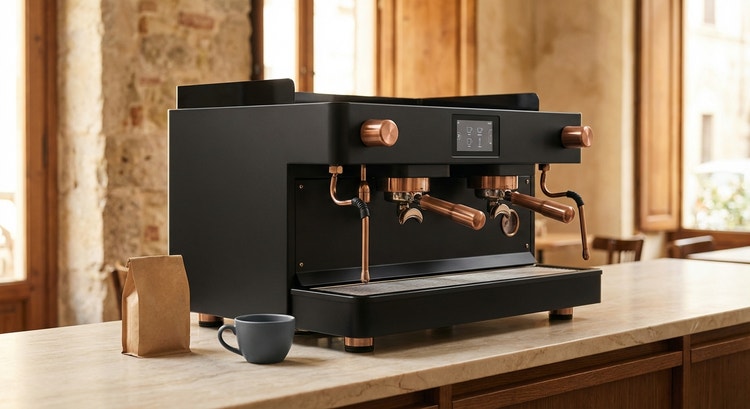
Blind tasting is not just a party trick — it is a diagnostic tool. Run a blind comparison any time you change a variable in your workflow and want to know if the change actually improved your espresso. Switched to a new distribution technique? Pull a shot with the old method and a shot with the new method, blind-taste them, and see which you genuinely prefer. Wondering if pre-infusion makes a difference on your machine? Same approach. Debating whether 17 grams or 18 grams tastes better with your current beans? Blind it. The Arco Studio Pro's shot memory feature is particularly useful here — you can save two profiles with different pre-infusion durations or temperature offsets, pull one shot on each profile, and blind-taste the results without worrying about inconsistency in your manual technique. Make blind tasting a weekly practice, even if you only do it once. Over three months, you will build a palate that is significantly more calibrated than when you started. You will make grind adjustments with more confidence because you trust your taste buds rather than the shot clock. And you will waste fewer beans chasing visual perfection that has no correlation with what ends up on your tongue.
Key Takeaways
- Visual cues like crema color and thickness bias your perception — they correlate poorly with actual extraction quality.
- Use opaque cups, shuffle blindly, and taste with a simple scoring grid to evaluate shots on flavor alone.
- Focus on body, sweetness-acidity balance, and aftertaste as the three most diagnostic dimensions.
- Use blind tasting weekly to test workflow changes and build a calibrated palate over time.
Related Products